Vacant House Risks in Hampton Roads: 5 Problems and How to Sell Fast
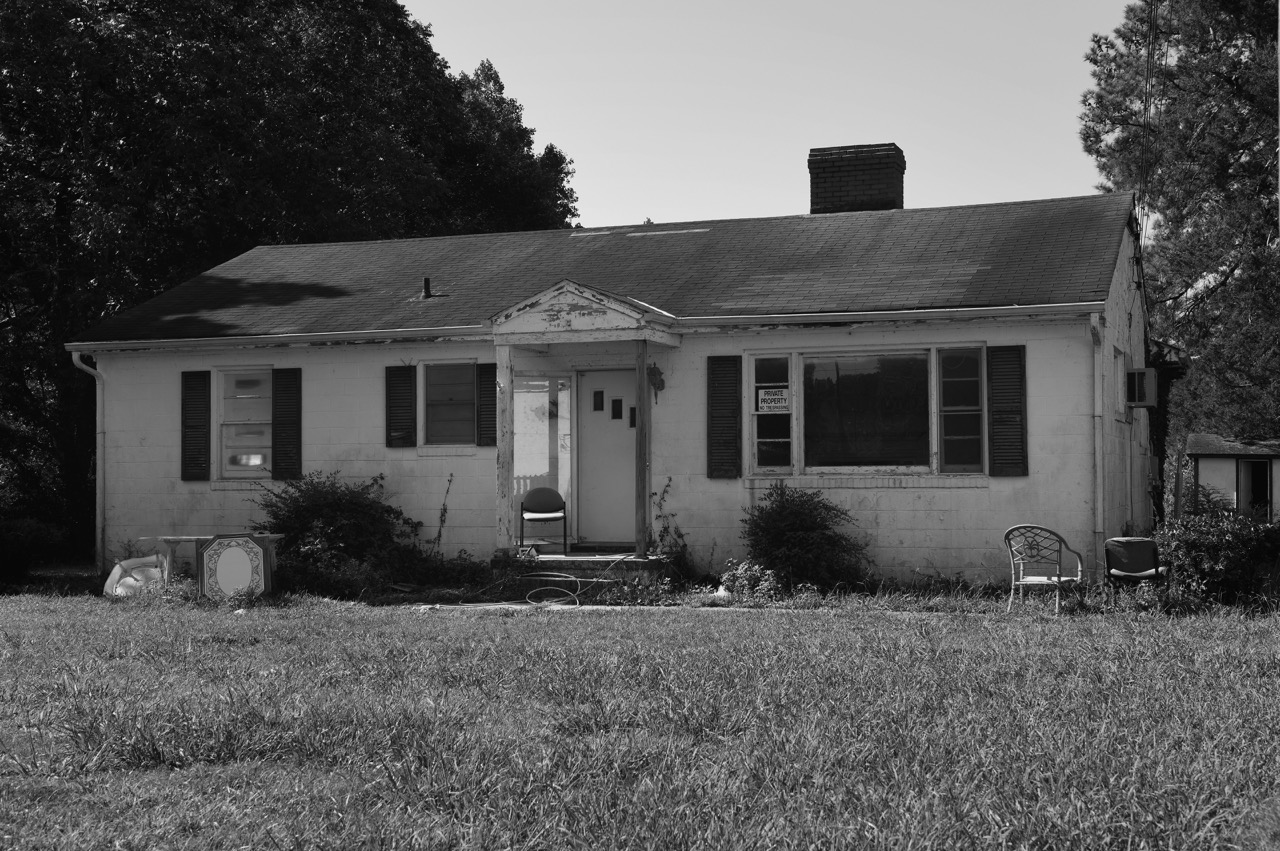
A vacant house in Hampton Roads faces real risks — vandalism, storm damage, and insurance policies that stop paying out after just 30 days of vacancy. Here’s what every owner of a vacant house in Virginia Beach, Norfolk, Chesapeake, Suffolk, Portsmouth, or Newport News needs to know, and how to stop the bleeding fast.
What Are the Biggest Risks of Owning a Vacant House?
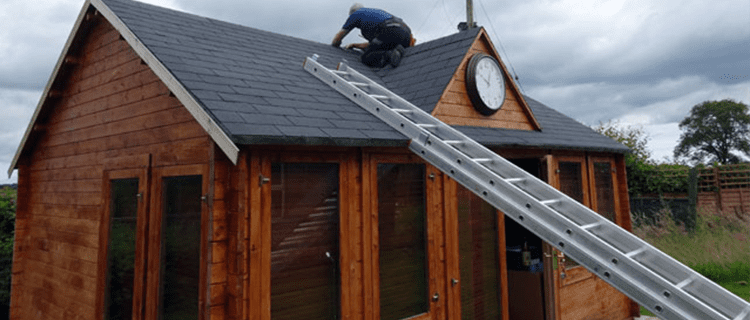
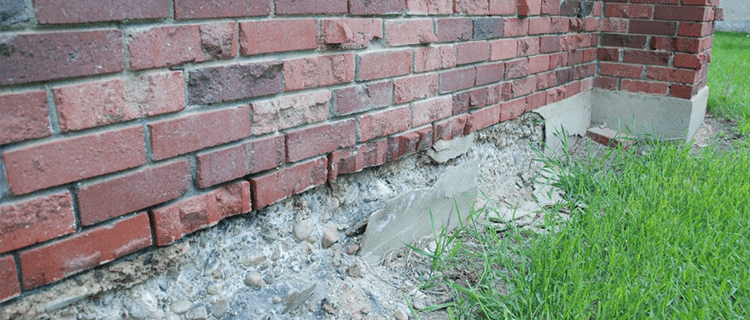
A vacant house faces higher risk of vandalism, break-ins, and undetected damage than an occupied home, since there’s no one present to notice problems early. Left unchecked, a small leak can become $10,000+ in water or mold damage, and an empty property often becomes a target for trespassers and copper/plumbing theft.
- Vandalism and break-ins — empty homes are a known target, especially in neighborhoods with visible foreclosure or “for sale” signage
- Undetected water damage — burst pipes or roof leaks can run for weeks unnoticed, especially over a Hampton Roads winter
- Mold growth — moisture without ventilation or climate control accelerates mold, which is costly to remediate
- Code violations — Virginia Beach, Norfolk, and Chesapeake all have property-maintenance ordinances that can fine owners for overgrown lawns or unsecured structures on a vacant house
Does Homeowners Insurance Cover a Vacant House?
Most standard homeowners insurance policies stop covering vandalism and theft once a vacant house has been unoccupied for 30 to 60 days. Some insurers reduce or fully exclude coverage for vacant properties, and a handful will cancel the policy outright if they discover the home is unoccupied without a vacant-home endorsement in place. The Insurance Information Institute has a detailed breakdown of how these vacancy exclusions typically work.
| Coverage type | Occupied home | Vacant house, 30-60+ days |
|---|---|---|
| Vandalism/theft | Covered | Often excluded |
| Fire | Covered | Often reduced |
| Water damage (burst pipe) | Covered | Requires proof of maintenance |
| Liability | Covered | May require separate endorsement |
If your Hampton Roads property has been sitting empty, call your insurer now to ask whether a vacant-home endorsement is already in place — don’t wait for a claim to find out it isn’t.r insurer now to ask whether a vacant-home endorsement is already in place — don’t wait for a claim to find out it isn’t.
How Can I Protect a Vacant House from Vandalism and Damage?
The most effective way to protect a vacant house is to make it look and feel occupied. Regular lawn maintenance, working exterior lighting, and a visible security presence deter most opportunistic vandalism. None of this eliminates the underlying cost of carrying an empty property, though — it only reduces the risk while you decide what to do next.
- Notify the local police department that the home is vacant so patrols can check on it
- Install motion-activated flood lights and a monitored security system
- Keep the lawn mowed and exterior visibly maintained
- Confirm every door and window lock functions properly
- Shut off water and winterize plumbing if the home won’t be heated through winter
If ongoing repairs are part of what’s making the property hard to keep up, our guide on maintaining and repairing a home you can’t keep up with covers the same cost tradeoffs in more depth.
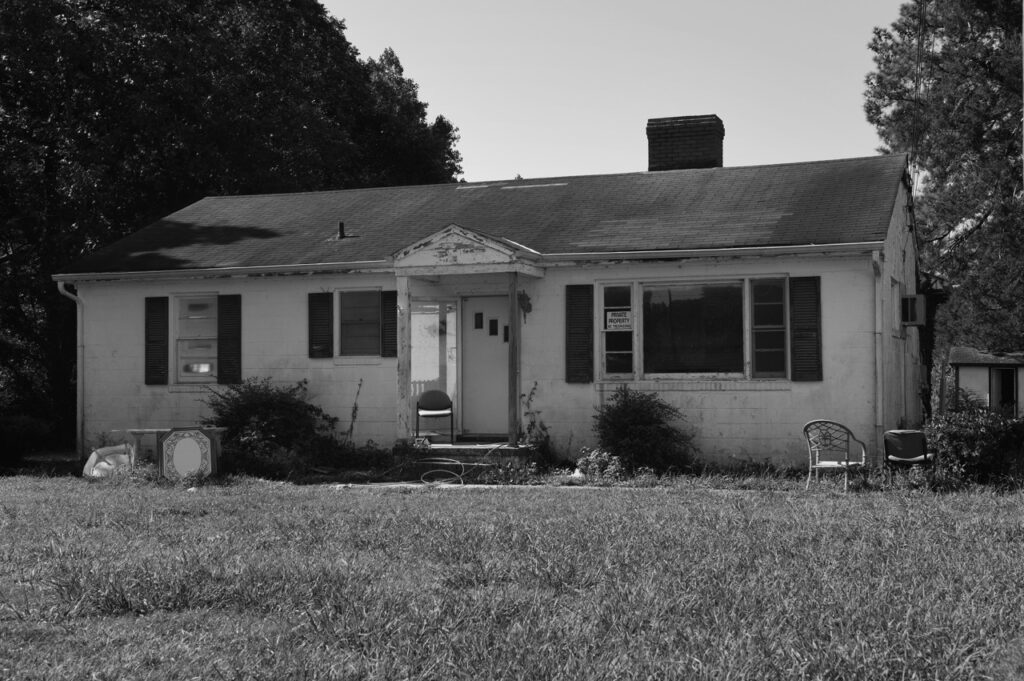
What’s the Fastest Way to Sell a Vacant House As-Is?
Selling directly to a local cash home buyer is the fastest way to get out from under a vacant house in Hampton Roads, typically closing in 7 to 30 days with no repairs, no showings, and no ongoing insurance or maintenance costs while the sale is pending. This works whether the vacancy is from an inheritance, a move, or a property that’s simply become too expensive to maintain.
- No repairs required — sold in as-is condition
- No showings or open houses on an empty home
- Closing typically in 7-30 days, on your timeline
- No agent commissions or holding costs while you wait for a buyer
See how the process works from first call to closing, or call 757-703-1746 for a no-obligation cash offer on your vacant house.
Bottom Line
A vacant house doesn’t have to stay a financial and legal liability. Whether you’re dealing with an insurance gap, mounting maintenance costs, or a property you simply can’t get to often enough to protect, you have options beyond continuing to carry it — including selling as-is, on your timeline, without the stress of a traditional listing.